Clique aqui pra ler em português.
How Kind is a reader-supported publication. To receive new posts and support independent publishing, consider becoming a free or paid subscriber. All posts are and will always be free, but if you’d like to support my work, you can contribute in a few ways:
I didn't think it'd happen to me. Aren't too tech-savvy? Too aware? Too observant? Too critical?
I'm always telling friends and family to watch out for scams and misinformation on the internet. I remember years ago when my brother texted me a video of fans running into Keanu Reeves at a gas station. Except it wasn't really Keanu Reeves. It was a deepfake.
I had to break the bad news to him.
My brother, not Keanu.
But that was years ago, and Generative AI is more advanced than ever now.
And so, it happened. I got fooled by an AI-generated video when I least expected it. Hook, line, and sinker.
While having lunch with my partner the other day, we watched a YouTube video that promised to cover some fascinating differences between Japanese and American homes. I won't link to it here as I don't want to give the channel any sort of promotion, but let's say the "creator" was named "Ben Miyamoto".
"Ben" tells us his story: "I grew up in a Japanese house, and I've now lived in America longer than I lived in Japan. This channel is about the differences between those two lives — homes, habits, family, work, and the small everyday things you stop noticing once you've lived somewhere long enough. I'm not here to tell you one country got it right. I like my central heating. But there are things about the house I grew up in that took me thirty years to understand, and I want to show you what they were."
The video seemed harmless enough, even informative. Albeit a bit... odd. There was a bit of an uncanny feeling with the voice, the script, and the photos that "Ben" would overlay with the narration.
We cracked up every time one of those pictures came up, because they seemed oddly-endearing. "Ben" stood around around "his" home, pointing to objects that were relevant to the narration at that moment, and wearing what I'd describe as a blank, deadpan face - awfully "dad-like". My partner and I theorized that maybe they were taken by "Ben's" spouse, helping with the video.
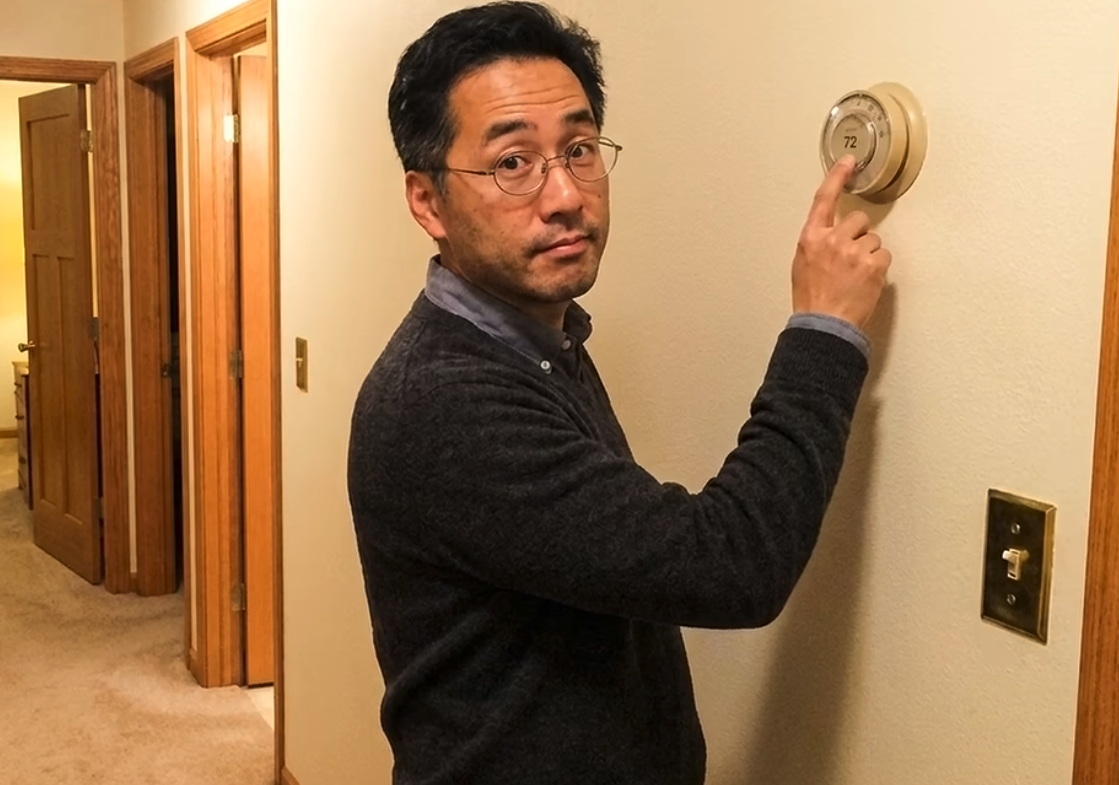
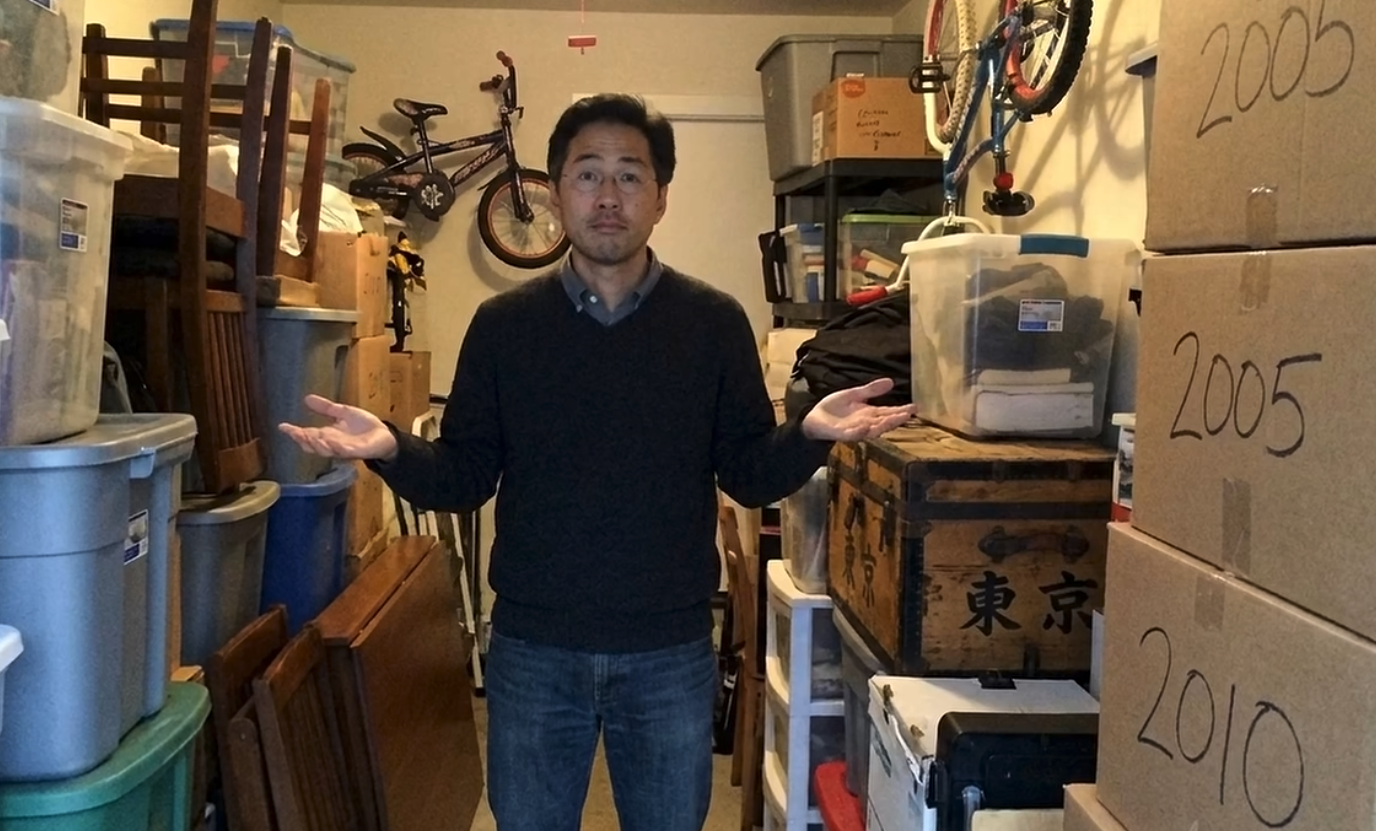
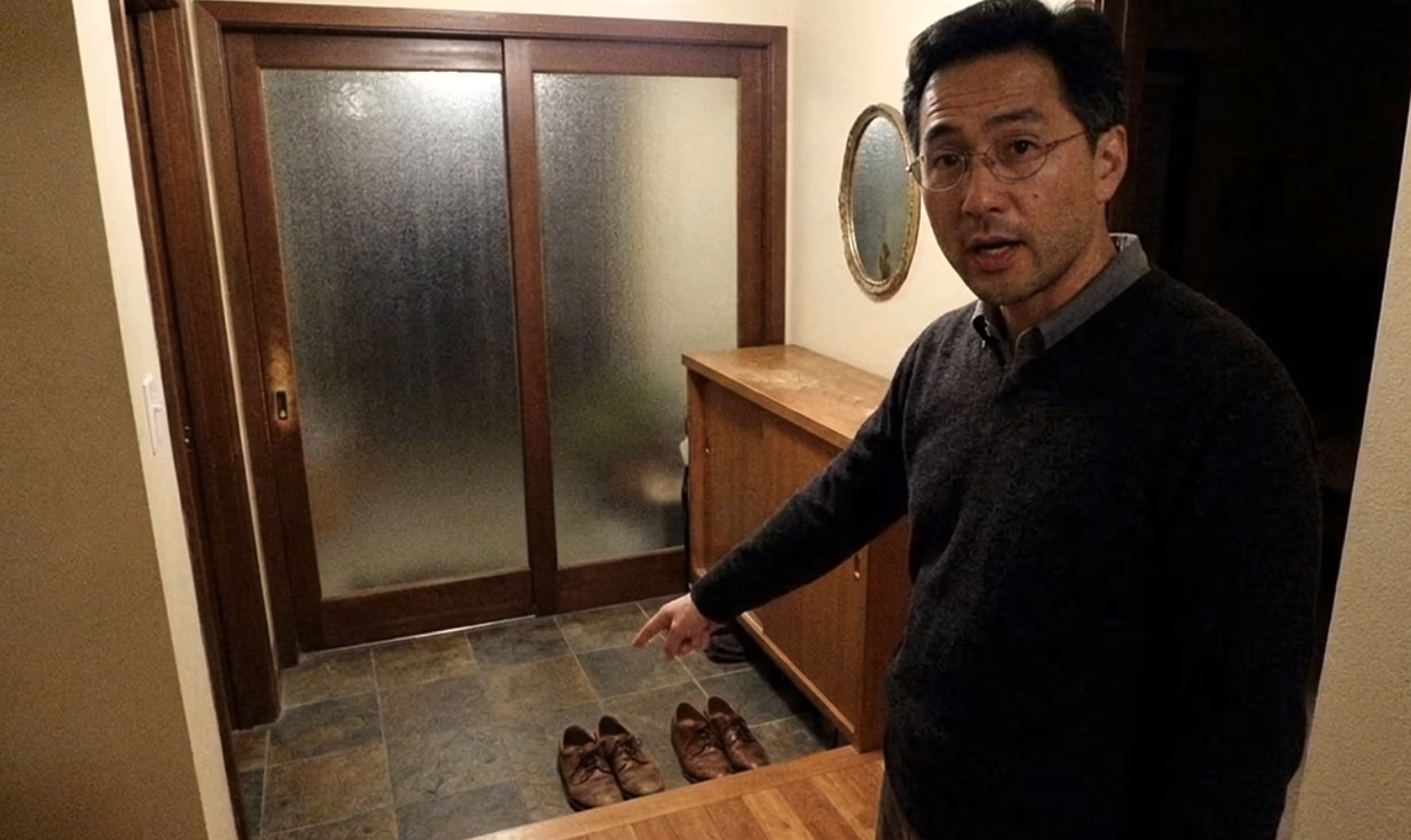
Maybe if we weren't eating and instead fully focused on the video and nothing else, we could have realized it was generated by AI. But nothing seemed truly out of the ordinary in the moment.
We focused on the content of the video - the lessons "Ben" shared from "his" childhood split growing up in Japan until the age of 12, and then moving to the US.
The sweet stories about his grandma and all of the Japanese traditions he learned from her.
We disagreed with many of the "lessons" that "Ben" highlighted throughout the video. We felt some of them were simplistic or that they over-generalized American or Japanese culture. We didn't question it though - this was "his" experience, after all, and maybe there was something we could learn from it.
There was definitely something weird with the script. Non-sequiturs sprinkled throughout. An inconsistent accent when pronouncing words in Japanese. And then, the video ended abruptly, while "Ben" was mid-sentence.
Curious to see what other people were thinking about the video, I opened up the comments. And that's when our world was shattered.
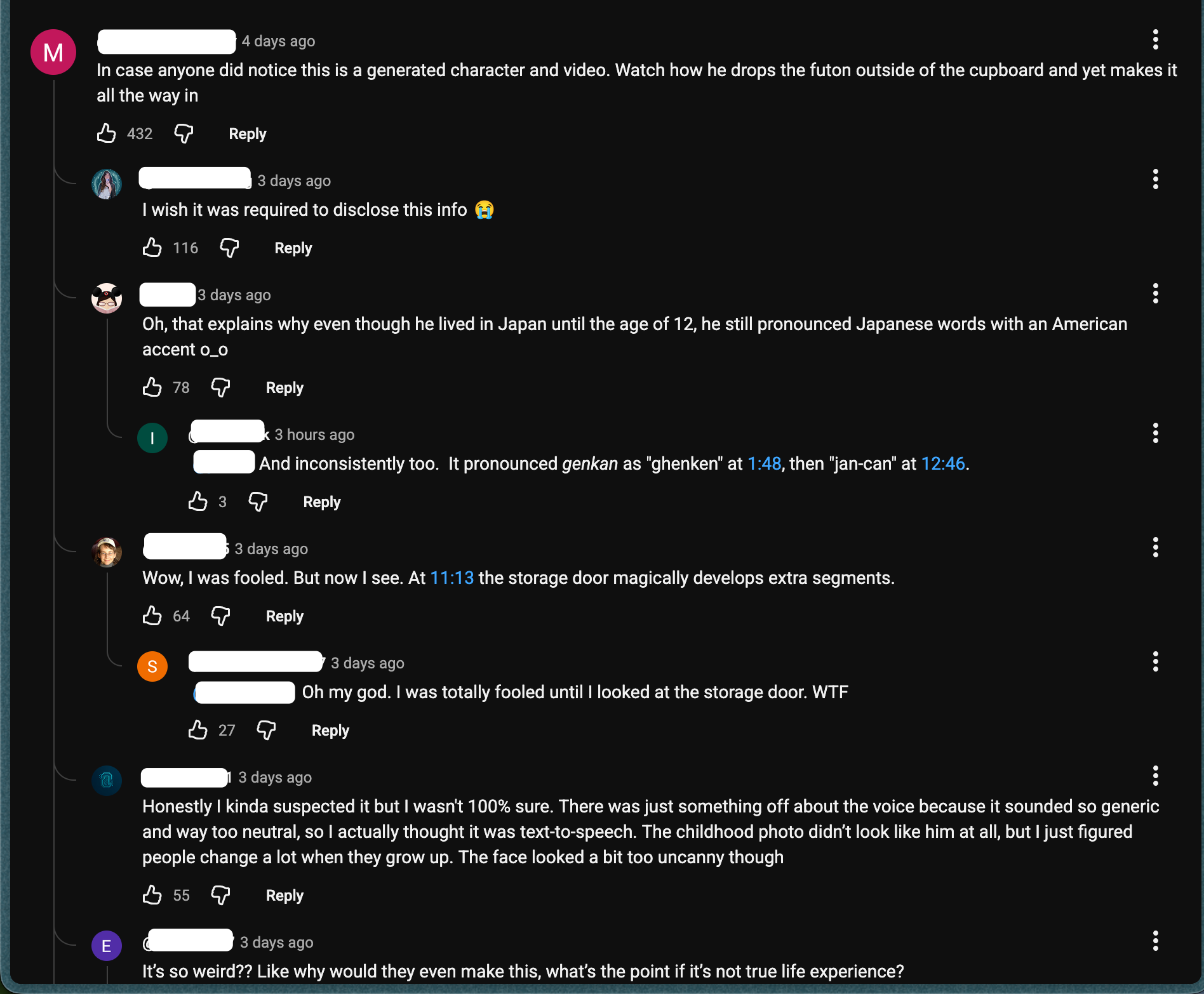
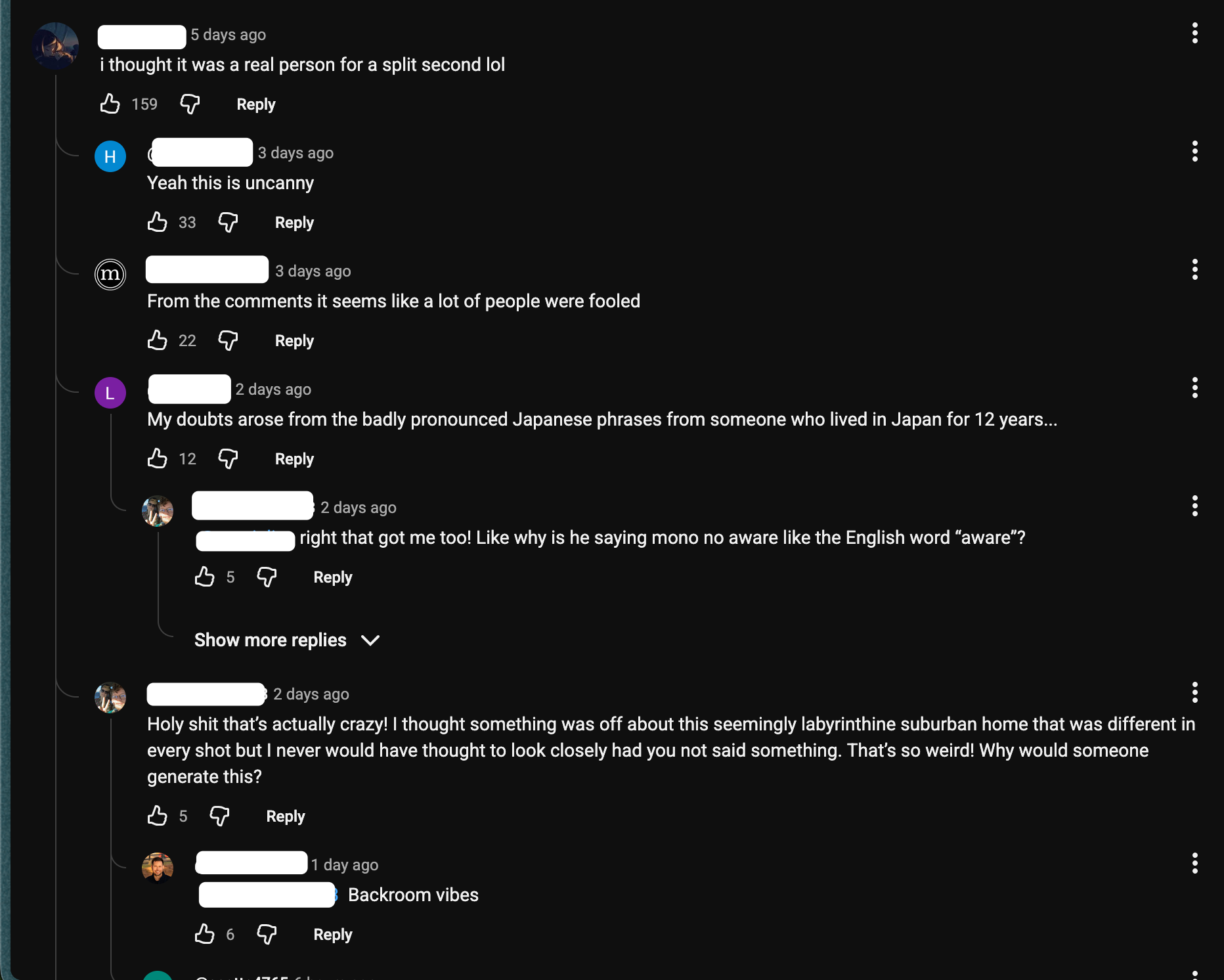
Like many fellow viewers, I was dumbfounded. Here we were listening to what we thought was a real human, sharing their real life experience, their family stories, their lessons, and wanting to start a conversation with other humans about it. Wanting to connect.
And it was all fake.
For the next hour, I fell down a rabbit hole digging into "Ben's" channel. The subscriber count was relatively low, but the highest-watched videos had half a million views. The combined number of channel views was well over a million. A fake channel profiting off millions of views, all on the basis of a lie.
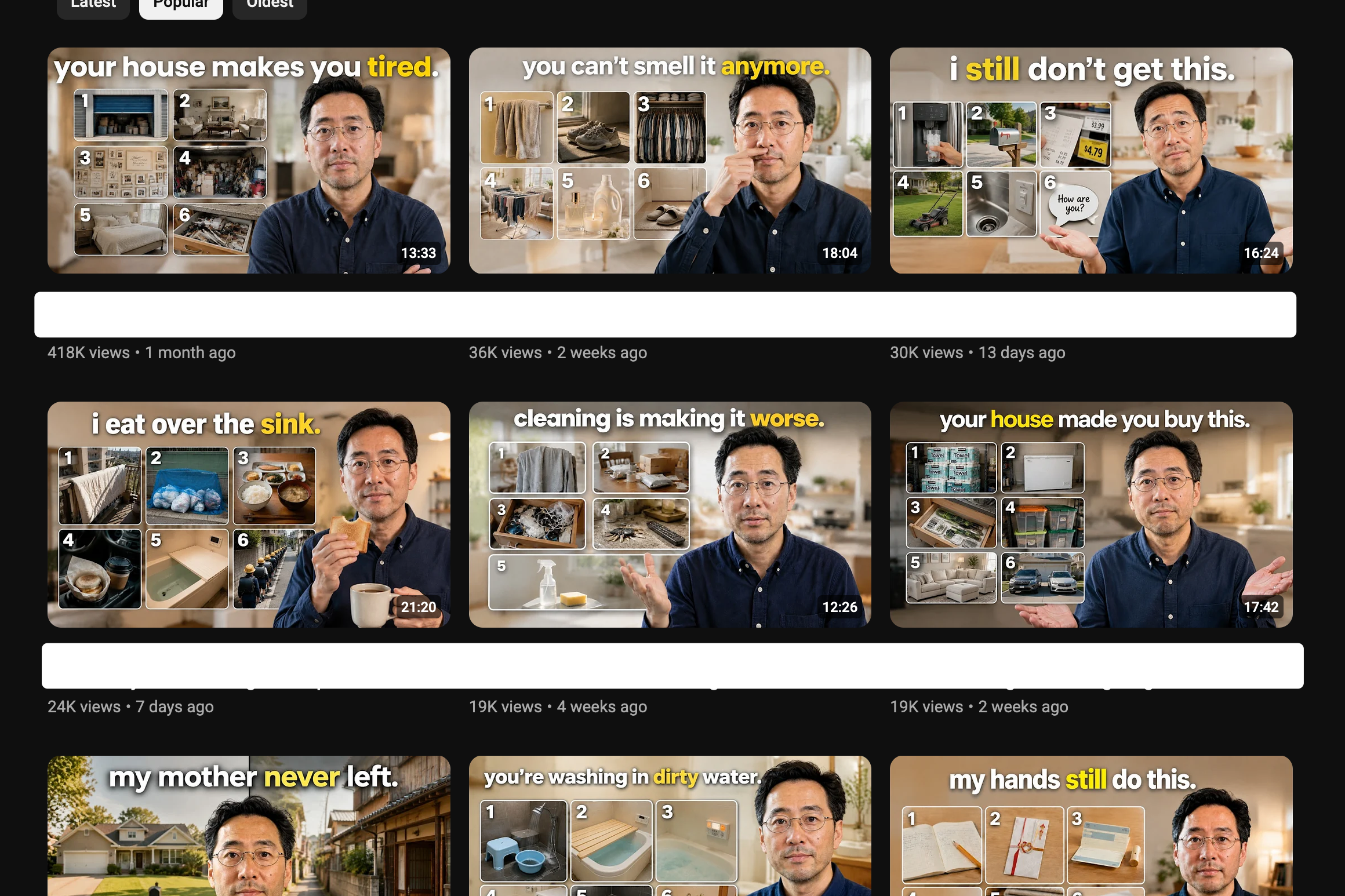
The thumbnails looked almost identical video to video. "Ben" looked eerily similar in all of them, with the same blank expression, and the same exact outfit.
And the videos were being put out fast. Every single day, a new video.
Then there were the comments "Ben" would pin to each video. "His" English was odd and robotic and very different from "his" narration in each video.
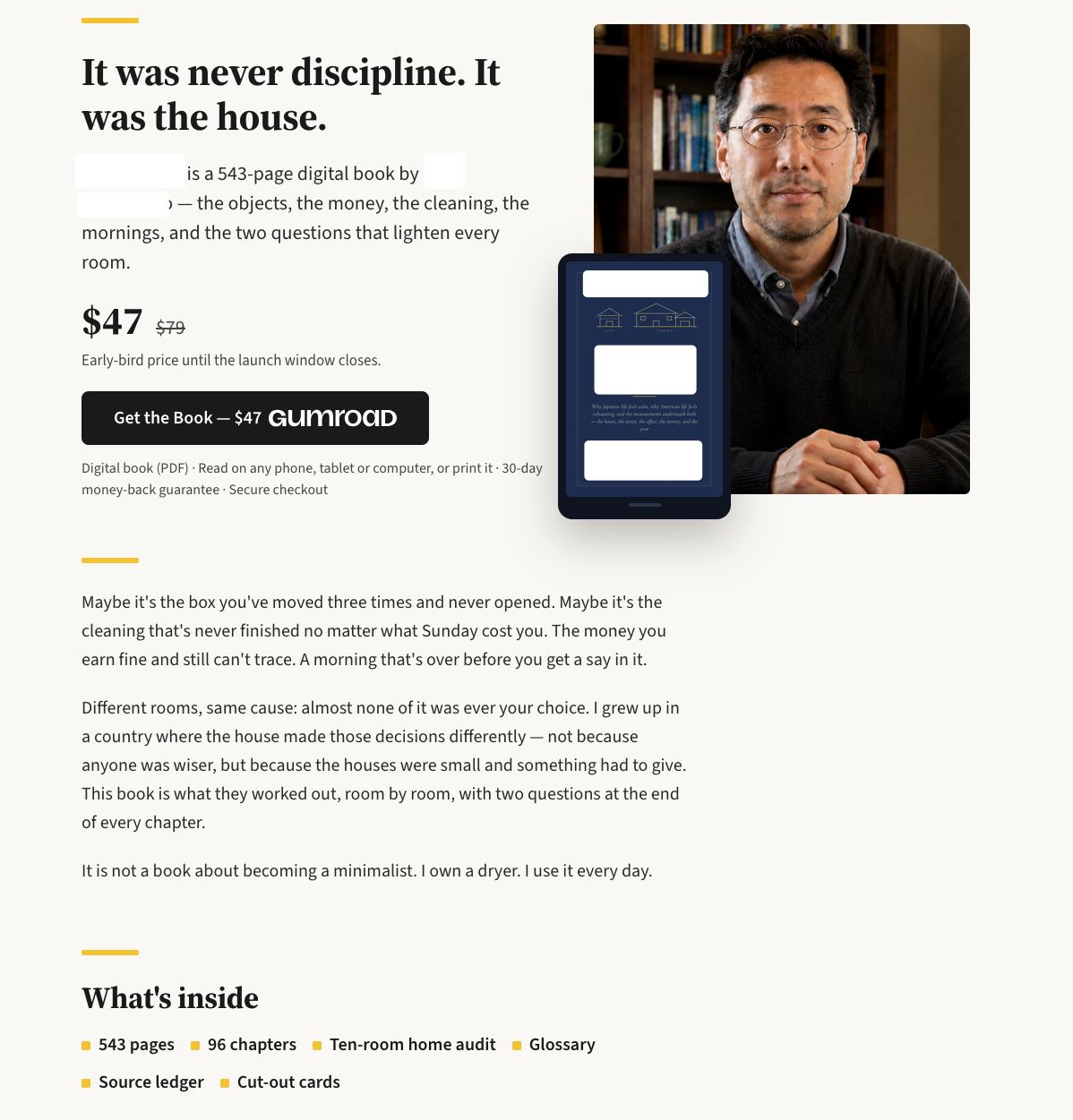
And of course, whoever is behind this channel is also trying to sell you something. In this case, it's a $79 (!!) eBook discounted at $47 for the "early-bird discount".

In the book, "Ben" promises to build on the concepts covered on the channel. It's a concept that sounds profound on paper, but is confusingly explained: it's not a lack of discipline that's your problem. It was always your house. The book will supposedly cover "the objects, the money, the cleaning, the mornings, and the two questions that lighten every room".
And to make it even more off-putting, "Ben" ends the synopsis with: "It is not a book about becoming a minimalist. I own a dryer. I use it every day."
Um...ok? Is it just me or is this whole text even more obviously AI-generated?

Could any of the information in this eBook be useful? Perhaps.
Could "Ben's" videos inspire actual positive change in some viewers? I guess.
But the main problem here is the lack of transparency. There is no disclaimer, no credits, no sources. How am I supposed to take any of the information in these videos or in this book at face-value? How am I to believe this is not just an easy cash-grab for someone with a Generative AI workflow? Someone who is stealing others' work and presenting it as their own? Someone who is generated hundreds of videos a year, perhaps on many different channels, feeding off unsuspecting viewers like myself?
I pulled myself away from the channel before I got too deep down the rabbit hole.
It left me deeply disturbed. Betrayed. Invaded.
Because family is a sacred thing. Our life experiences are sacred. Our culture. And to have the opportunity to share your story and try to inspire someone else and have a conversation with them - that's a gift.
And whoever runs this channel, they're robbing us of the joy of sharing experiences. On the channel, the author claims to want to "share more of [their] knowledge, to inspire or to simply educate and share [...] from my experience living in both countries."
But it's all built on a lie.
And they're diminishing the real lived experience of those who have actually grown up in Japan and moved to the US. Or any other real lived experiences. Of any human who has breathed on this earth.
They're taking something real and beautiful, killing it, then puppeteering its corpse and pretending it's real and it's alive and it's theirs.
I'm angry.
This type of thing makes me feel like I need to be more careful, more critical, more vigilant.
Be mindful of what you see on the internet now more than ever.
You never know when it might be another "Ben" trying to make a quick buck.
☕️ I'd love to hear from you - how are you spotting content generated by AI? Have you been fooled yourself? Any topic ideas for future issues? Comment below or shoot me an email at howkind@mateusdasilva.com :-)
Support Me
Did you gain something from reading this post? Consider chipping in to support me financially via a one-off or recurring payment. It'll go a long way in helping me publish more and keep How Kind going. Thank you <3
🎷This was issue #8 of How Kind, spreading kindness, one newsletter at a time. See the full archive here.